
I have always believed in the transformative power of gratitude. When you practice the art of appreciation, a shift occurs. You become more present, build stronger relationships, and experience greater fulfilment in your everyday life.
I was reminded of the importance of gratitude during a deeply transitional 2025. It was a challenging year marked by the loss of my 89-year-old mother, whose optimism and integrity taught me the value of living with purpose. Alongside this profound loss, 2025 also brought moments of great professional pride, including celebrating the 10th anniversary of Women Get On Board Inc. (WGOB) and receiving the BMO ICON award for my work promoting women on corporate boards.
As I reflected on the year, it felt more important than ever to acknowledge the good in my life—the high points, the small moments of joy, and the people I care for most. I realized that this “attitude of gratitude” was a meaningful way to honour my mother’s legacy and to value the bright milestones along my journey.
For over a decade, I’ve kept up a December tradition of selecting three guiding words for the year ahead—a practice inspired by writer Chris Brogan in 2015 that helps me let go of distractions and stay true to my values. I chose Gratitude as one of my 2026 words to remind me to practice intentional appreciation.
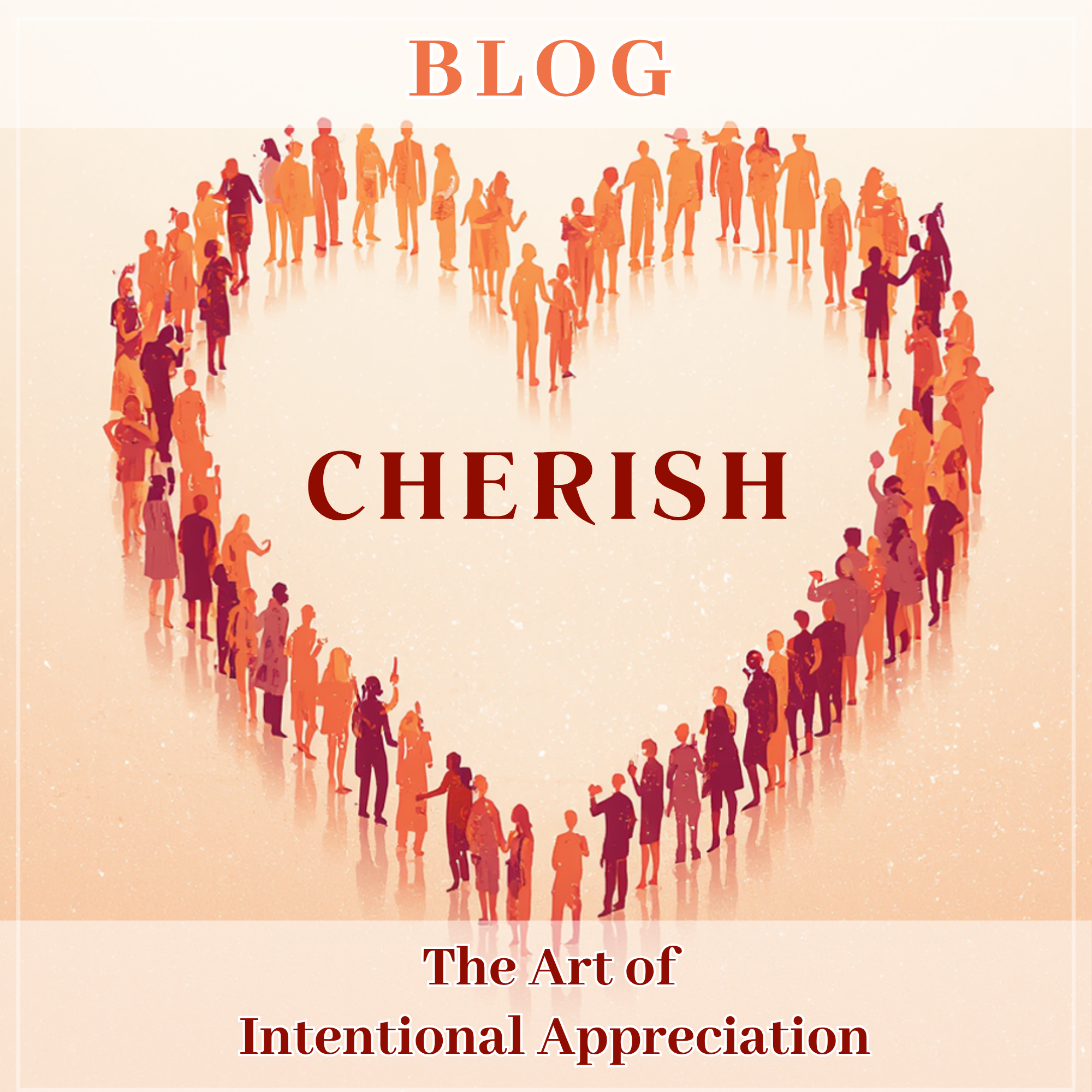
Read more about my annual tradition and all three of my guiding words for 2026— Cherish, Reflect, and Gratitude—here.
The Transformative Power of Gratitude
At its core, practicing gratitude means recognizing and valuing the good in your life, both big and small. More than a momentary state, thankfulness can become a lasting positive character trait. It is a conscious choice to shift your focus from what is lacking to what you have, fostering contentment, happiness, and overall life satisfaction.
In fact, gratitude is a strong indicator of social, emotional, and psychological well-being. When we lean into gratitude, we can experience its three distinct forms:
• Personal gratitude for what we receive
• Interpersonal gratitude toward others
• Transpersonal gratitude—a broader appreciation for life itself
I also deeply believe in the “domino effect” of thankfulness. When we feel and express gratitude, we are more likely to recognize the help we’ve received and to reciprocate. It fosters a beautiful cycle in which those who are thanked are inspired to help others again. This cycle embodies the golden rule of gratitude—treat others with the same warmth and appreciation we hope to receive.
Practicing Intentional Appreciation
Cultivating an “attitude of gratitude” requires deliberate action. If you wish to enrich your journey with gratitude, consider how you express it to those around you.
• Be specific and acknowledge impact: Don’t just say “thank you.” Specify exactly what a person did and explain how their actions directly helped you.
• Embrace small, thoughtful gestures: Share your appreciation with a personal, direct message on LinkedIn rather than a “like” or a quick comment. Sending a handwritten note is also a beautiful way to make a lasting impact.
• Use heartfelt language: Simple phrases such as “I couldn’t have done it without you” or “Your support means the world to me” foster deep, positive connections. I make a point to say “I appreciate you” to the people around me whenever I can.
• Reciprocate: Always be ready to offer support in return, and ask others how you can help them. I often speak and write about the power of connection and the importance of being mindful of your network. Your network is like your reputation—you need to be protective and strategic about who you know and how you connect. Every relationship works both ways, and you should ensure you give more than you take.
When fully embraced, gratitude serves as an anchor, fostering mindfulness and a positive attitude. Not only does it remind us to prioritize the people and activities that truly bring us fulfilment, but it also creates a powerful cycle of generosity and reciprocity that extends across our communities. As we continue through 2026, I invite you to join me in practicing intentional appreciation.




Leave A Comment