
Most board succession plans fail to achieve diversity outcomes, not because qualified candidates are lacking, but because the succession planning process itself has structural blind spots that reinforce homogeneity.
Blind Spot #1: Confusing Succession Planning with Emergency Replacement
– Many boards only have a “sudden departure” plan rather than proactive, multi-year, competency-based planning
– Without forward-looking skills gap analysis, boards default to “replace the CFO with a CFO,” which perpetuates the existing composition
The fix: Annual board skills matrix review that projects 3-5 years forward based on the strategic plan
Blind Spot #2: Outsourcing Diversity to Search Firms Without Clear Mandates
– Boards tell search firms “find us diverse candidates” but don’t specify required competencies, acceptance criteria, or accountability metrics
– Search firms respond to incentives—if boards accept all-male shortlists, they’ll keep delivering them
The fix: Include written diversity mandates in search firm engagement letters; require that over 50% of candidates presented be diverse.
Blind Spot #3: Network Dependency Masquerading as “Culture Fit”
– Most directors find new members through personal networks, which are homogeneous by nature
– “Culture fit” becomes code for “people who remind us of ourselves.”
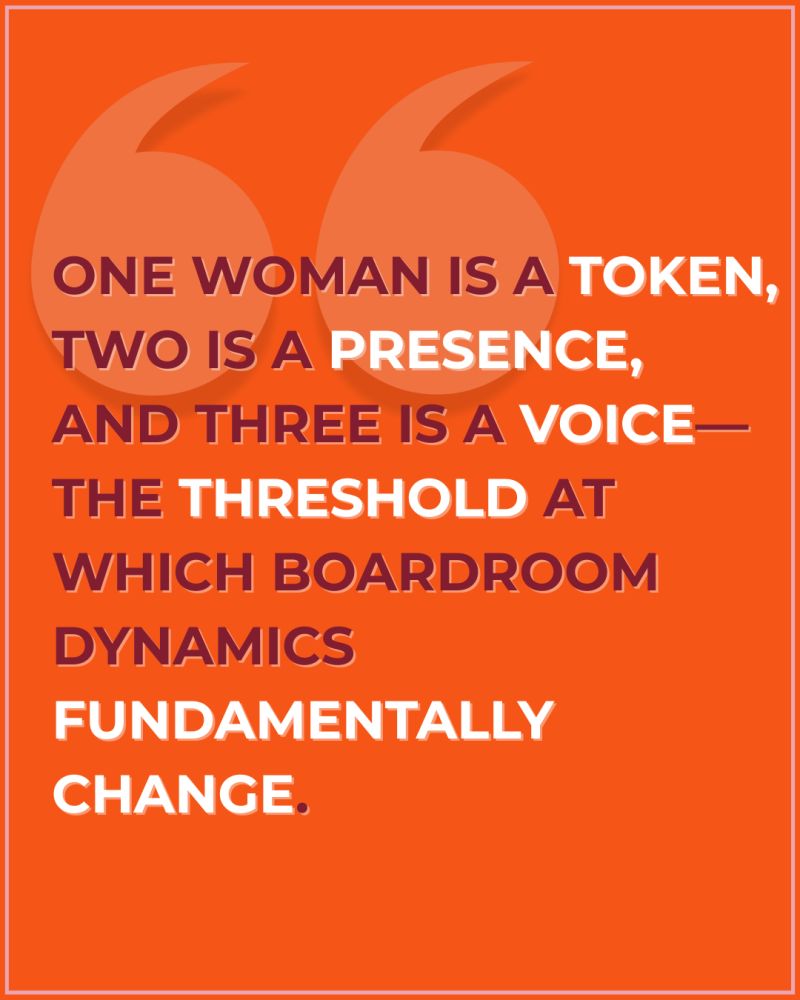
The fix: Structured interview protocols that assess specific competencies; define culture as “values alignment,” not “familiar background”; implement “Power of Three” rule—decisions on candidates require input from at least three board members
If your succession plan doesn’t specifically detail how you’ll avoid replicating the current composition, do you really have a succession plan? When was the last time your nominating committee rejected a search firm’s slate due to insufficient diversity?





Leave A Comment