
My IWD challenge for every director? Choose sponsorship over mentorship.
In the past 12 months, how many times have you offered to mentor a woman? How many times have you actively used your influence to get a qualified woman onto a board?
If the second number is lower, I’d encourage you to reflect on why.
After 10 years of trailblazing at Women Get On Board Inc. (WGOB), I’ve reached a difficult conclusion: mentorship has plateaued in its effectiveness at advancing board diversity.
Osler, Hoskin & Harcourt LLP‘s 2025 Diversity Disclosure Practices report shows that women now hold 30.5% of board seats on TSX-listed boards. This is a year-over-year increase of only 0.7 percentage points, the smallest gain since mandatory disclosure began. The reality is that many women already have plenty of advice. What they need is someone willing to spend social capital on their behalf.
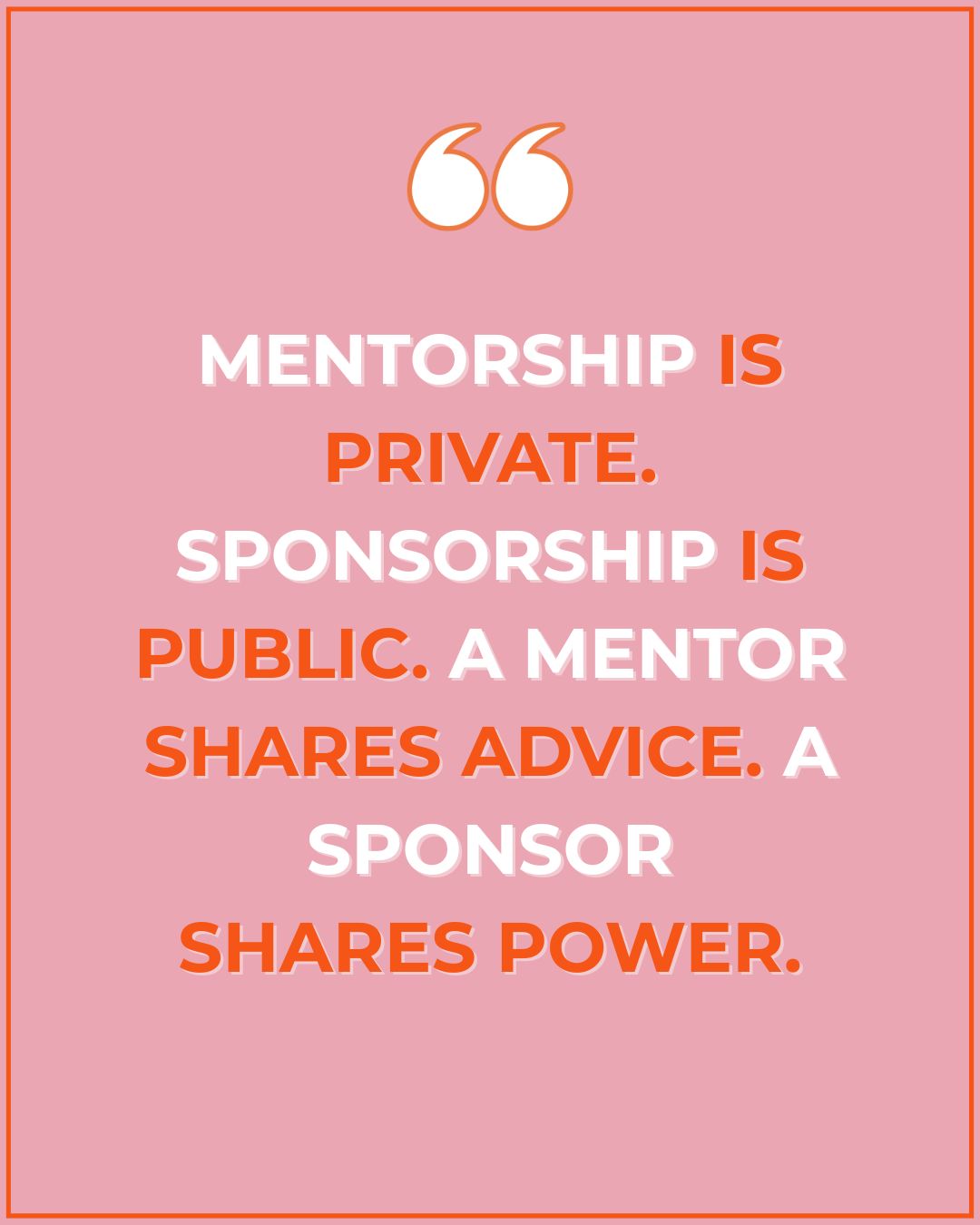
So what’s the difference between mentorship and sponsorship? Mentorship happens behind closed doors. Sponsorship is public, and your reputation is on the line. A mentor offers guidance; a sponsor takes action. While you can mentor many people, sponsorship is costly because your social capital is limited.
When you sponsor someone, you’re saying: “I vouch for this person with my credibility.” That’s why sponsorship is powerful, and why many people hesitate to do it.
Some will raise the “merit” objection. In my experience, merit concerns often mask reliance on closed networks. Sponsorship expands the candidate pool and surfaces talent that would otherwise remain invisible. Others will say they don’t have enough influence. But if you’re on a board, you likely have more influence than you realize. Use it.
The IWD 2026 theme is “Give To Gain.” Sponsorship embodies that “give” because it requires something tangible of you: your time, your reputation, your social capital. But the collective gain is exponential.
My challenge is straightforward. Between now and International Women’s Day 2027, commit to one concrete sponsorship action. You might recommend a qualified woman to another board, sponsor a woman for a committee chair role, connect a woman executive directly to a CEO or investor with your explicit endorsement, or serve as a vocal, public reference in a board search.
I believe in the power of three: one woman in the boardroom is a token, two is a presence, and three is a voice. To reach three, we need sponsors willing to actively place women, not just advise them to be patient.
I encourage you to go beyond mentoring and become a sponsor for a deserving woman. You’ll be amazed at the impact your influence can have.
Leave A Comment